The Westminster Desk | Profile
Andy Burnham is the seventh Prime Minister in a decade and the first to reach Downing Street through a city hall rather than the green benches. The record behind him is unusually long and unusually public: three cabinet jobs, two leadership defeats, nine years running Greater Manchester, and one campaign that explains him better than any office he has held.
The Westminster years
MP for Leigh from 2001 to 2017. Chief Secretary to the Treasury, then Culture Secretary, then Health Secretary under Gordon Brown. He ran for the Labour leadership twice and lost twice: fourth in 2010, then a distant second to Jeremy Corbyn in 2015. By Westminster's accounting, that is a career that peaked early and stalled. What he did next is why he is Prime Minister.
Hillsborough
In 2009, as Health Secretary, Burnham stood at Anfield's twentieth-anniversary memorial and was heckled by a crowd chanting for justice. Instead of riding it out, he took the case into government and helped force the Hillsborough Independent Panel, whose 2012 report broke the disclosure open and led to fresh inquests. Out of it came his signature argument: a duty of candour on public authorities, and the conviction that families should not have to fight the state for decades to get the truth. When he calls his premiership a "circuit-breaker", that is the politics it comes from.
The Manchester record
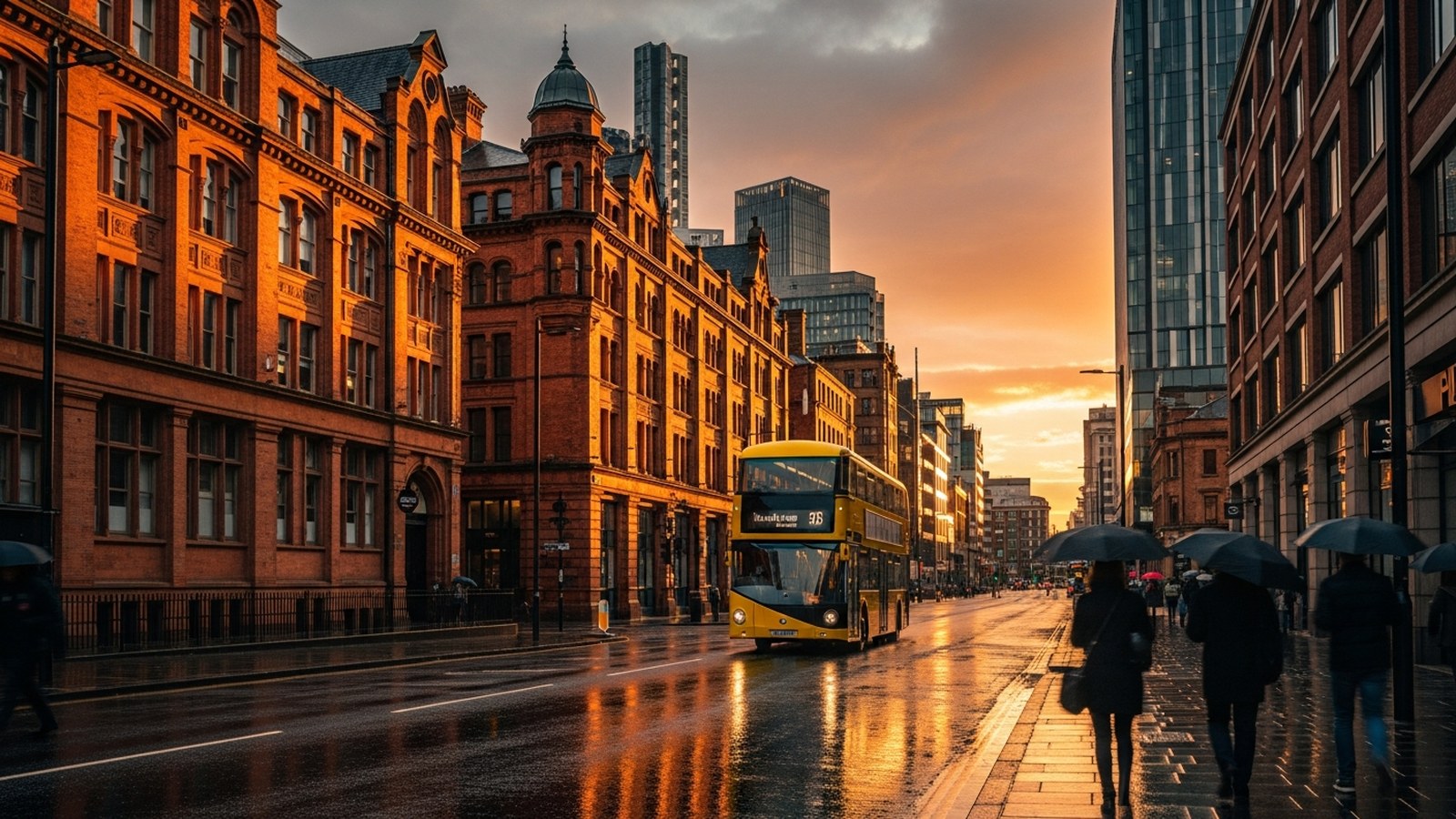
Mayor from 2017, re-elected twice. The flagship is the Bee Network: in September 2023, Greater Manchester became the first place in England to take its buses back under public control since deregulation in the 1980s, after seeing off Stagecoach and Rotala in the High Court, with capped £2 single fares and free travel for 16 to 18 year olds. A Bed Every Night, his rough-sleeping scheme, is the direct ancestor of his first act as Prime Minister: £340 million against rough sleeping, announced within hours of taking office. The October 2020 stand-off with the Johnson government over tier-three furlough support earned him the "King of the North" label he has never quite shaken. The record has critics too: The Conversation's audit of the mayoralty judges the Bee Network transformation real but "not the whole picture", and his personal favourability entered No 10 at just 28%.
How he differs from his predecessor
In style, his first day was informal, upbeat and heavy on bold pledges, which is not a sentence anyone wrote about the last one. In substance, three shifts: cost of living first, with VAT coming off electricity bills from October; power out of London, the agenda he personally embodied for nine years; and a promised 10-year national plan, due "later this year", in place of governing quarter to quarter. The deeper difference is where the politics was built. Burnham's was made outside Westminster, in a city that had to negotiate with it, and the open question of this premiership is whether a politics built on place can survive the building most hostile to it.
The record says he is patient, stubborn in court, and better at comebacks than at front-running. He will need all three.