Comment & Analysis (Intergalactic) | Barnaby Whitlow, Chief Political Correspondent
Among Count Binface's pledges for Clacton sits a housing commitment of unusual construction: he will, in his own published words, "build at least one affordable house." The desk's policy unit, which has audited every major-party housing pledge since 1997 and watched every one of them die in a planning committee, has completed its assessment. Its conclusion: this is the only housing pledge in modern British politics with a credible delivery pathway.
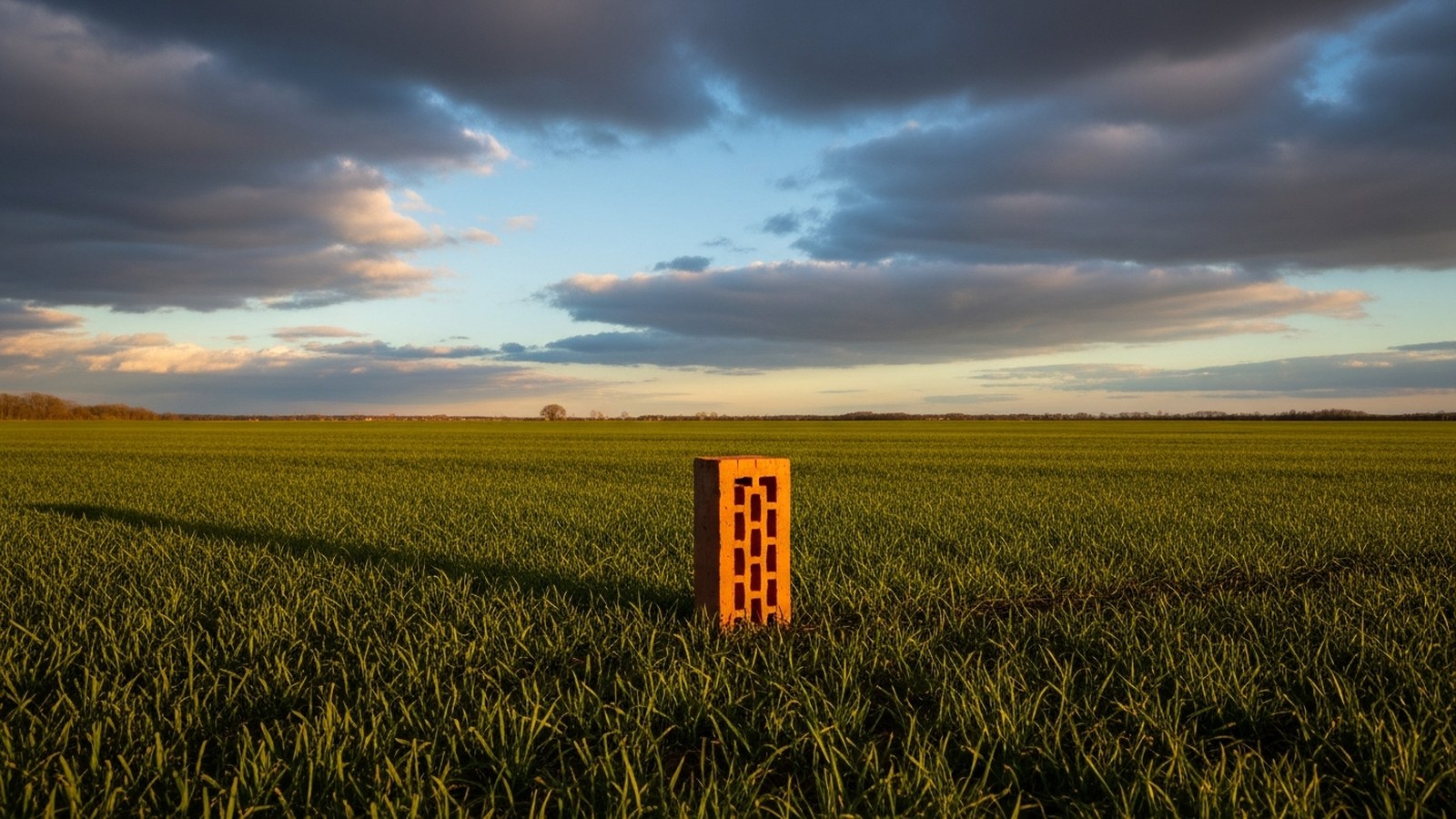
Consider the competition. Successive governments have promised in the region of 300,000 new homes a year and delivered nothing of the sort; the current government has staked its credibility on one and a half million over a parliament, a number that has already met the planning system and lost the first three rounds. Against this record stands a candidate promising one house. The policy unit has run the numbers: at a build cost in the low hundreds of thousands, the pledge is fully fundable from a single evening of intergalactic merchandising, requires no compulsory purchase, no grey-belt consultation and no eleventh-hour Treasury raid, and carries a delivery probability the unit assesses at north of 90%, a figure no housing minister has survived contact with since the war.
The unit draws particular attention to the phrase "at least". This is upside language. Should the Count deliver two houses, he will have overshot his housing target by 100%, an event without precedent in the developed world. The unit notes that governments routinely miss targets by half and describe the result as momentum, and invites readers to imagine the press conference at which a politician announces they have accidentally doubled their housing programme.
Risks remain, and the desk is duty-bound to report them. There is the planning committee, before which all optimism is as grass. There is the question of where: the pledge is silent on siting, and the desk assumes Clacton, though the Count's constituency instincts have if anything been more local than the field's. And there is the affordability definition, a term the housing industry has stretched to describe properties affordable chiefly to the industry. The desk trusts the bin, on this point, more than the sector: a candidate who publishes his fee-free pledges tends not to hide a margin in the word "affordable".
Brenda Fowler, 61, of Rush Green, has already enquired about the waiting list. "One house is one more than anyone's built round here in years," she said. "I've asked for a south-facing garden." Derek, 58, reviewed the pledge outside the arcade and offered the trade's perspective. "He'll want a good brickie," he said. "And planning'll have him in for pre-app. Even bins."
The unit's rating is issued accordingly: DELIVERABLE, with genuine upside risk. The wider position is unchanged.
OVERWEIGHT. The bin, each way.
Disclosure: our correspondent has applied to be considered for the house. His application was rejected on the grounds that residency requires existence. He has appealed, citing precedent: the bin was not real once either, and now owns paperwork.
Barnaby Whitlow does not exist. Pieces on this desk are satire: every statement about a real person, a real record or a real investigation is drawn from the public record and listed in the sources below, and everything else is a joke.